



Industrial Social Media Tips for Manufacturers in 2026
Industrial Social Media Tips for Manufacturers in 2026
TL;DR:
- Industrial social media marketing emphasizes video content and platform focus on LinkedIn to build credibility and generate leads. Consistent posting, strategic content batching, and aligning social efforts with sales cycles are essential for long-term success. Building a strong visual identity enhances credibility and maximizes social media impact in industrial sectors.
Industrial social media marketing is defined as the practice of using platforms like LinkedIn, YouTube, and Instagram to build brand credibility, generate B2B leads, and engage decision-makers in manufacturing and industrial sectors. These industrial social media tips are not optional extras for manufacturers. They are the difference between being found during a buyer's research phase and being invisible. The role of social media in business growth has shifted from brand awareness to active lead generation, especially for companies with long sales cycles and technical products.

1. lead with video content on every platform
Native video on LinkedIn drives 5 times more engagement than static posts and generates 3 times more B2B inquiries in manufacturing. That single data point should reshape your entire content strategy. If you are still posting only product photos and press releases, you are leaving the majority of your potential reach on the table.
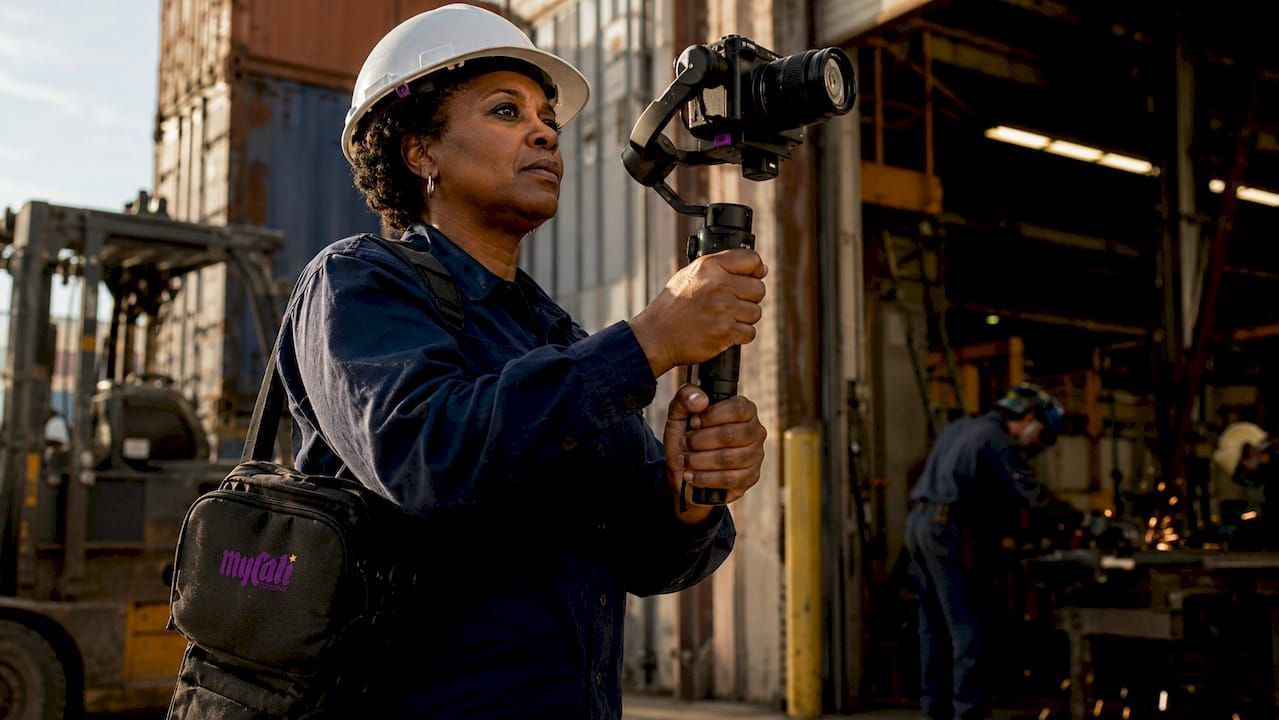
Factory floor tours, equipment demos, and short how-to videos are the highest-performing formats for industrial brands. They show buyers exactly what your process looks like, which builds trust faster than any written description. A 60-second clip of a CNC machine running a precision cut communicates capability more clearly than a three-paragraph spec sheet.
Pro Tip: Record video in batches during one plant visit per month. Capture 8–10 short clips and distribute them across 4–5 weeks of content. This keeps your feed active without requiring a camera crew every week.
2. apply the 40/30/20/10 content rule
The 40/30/20/10 content rule is the most practical framework for industrial content planning. It allocates 40% of posts to educational content, 30% to behind-the-scenes material, 20% to customer success stories, and 10% to direct promotions. This balance prevents your feed from becoming a catalog and keeps your audience engaged across the full buyer journey.
Educational posts answer the questions your buyers are already searching for. Behind-the-scenes content humanizes your operation and builds trust with procurement managers and engineers who want to know who they are buying from. Customer success stories provide the proof points that move deals forward. Promotional posts close the loop. The ratio works because it mirrors how buyers actually consume information before committing to a vendor.
- 40% Educational: Process explainers, material science breakdowns, compliance guides
- 30% Behind-the-scenes: Facility tours, team introductions, quality control walkthroughs
- 20% Customer success: Case studies, testimonials, project spotlights
- 10% Promotional: Product launches, service announcements, trade show appearances
3. choose LinkedIn as your primary platform
93% of industrial marketers prioritize LinkedIn for lead generation. That consensus exists for a reason. LinkedIn is where procurement officers, plant managers, and engineering directors spend their professional time. It is the only major platform built specifically around professional identity and business relationships.
YouTube serves as a strong secondary platform because it functions as a permanent content repository. A product demo uploaded to YouTube in 2024 still ranks in Google search results in 2026. That long-term discoverability makes YouTube a smart investment for technical tutorials and equipment walkthroughs. Instagram and TikTok are underused by industrial brands, but they carry real value for recruitment and process content that appeals to a younger workforce.
Avoid spreading your team thin across every platform at once. Master LinkedIn first. Then expand to YouTube. Add Instagram or TikTok only when you have a consistent publishing rhythm already in place.
- LinkedIn: Decision-maker targeting, lead generation, thought leadership
- YouTube: Long-form tutorials, product demos, searchable technical content
- Instagram: Recruitment, culture, visual process content
- TikTok: Short-form process videos, behind-the-scenes, workforce attraction
4. optimize your LinkedIn profile for lead generation
A well-optimized LinkedIn profile with a clear bio, complete contact information, and pinned content significantly increases lead conversion potential. Your profile is the first thing a buyer sees after engaging with your content. If it looks incomplete or generic, the trust you built with a great video evaporates immediately.
Your company page bio should state exactly what you do, who you serve, and what problem you solve. Use plain language, not industry acronyms. Pin your best-performing post or a case study video to the top of your feed so new visitors immediately see proof of your work. Add a direct contact method, whether that is an email address, a phone number, or a link to a contact form on your website.
Pro Tip: Treat your LinkedIn banner image as a billboard. Use it to display your core value proposition, a key certification, or a recognizable product image. Most industrial companies leave this space blank or use a generic stock photo.
5. post 4–5 times per week and time it right
The recommended posting frequency for industrial companies is 4–5 posts per week per platform. Ignoring industry-specific timing causes a 40–60% drop in engagement. Posting at the wrong time is almost as damaging as not posting at all.
Industrial buyers and decision-makers are most active on LinkedIn during Tuesday through Thursday, typically between 7:00 a.m. and 9:00 a.m. or during the lunch hour. These windows align with when professionals check their feeds before or between meetings. Posting on Friday afternoons or over the weekend produces significantly lower reach for B2B industrial content.
| Day | Best Time Window | Content Type |
|---|---|---|
| Tuesday | 7:00 a.m. – 9:00 a.m. | Educational post or video |
| Wednesday | 12:00 p.m. – 1:00 p.m. | Behind-the-scenes or case study |
| Thursday | 7:00 a.m. – 9:00 a.m. | Customer success or product demo |
| Friday | 8:00 a.m. – 10:00 a.m. | Culture or team spotlight |
Use scheduling tools like Buffer, Hootsuite, or Sprout Social to queue posts in advance. Scheduling removes the daily scramble and keeps your publishing cadence consistent even during busy production periods.
6. batch your content creation monthly
Batching content creation in one monthly session avoids burnout, improves consistency, and saves significant time compared to creating content day by day. High-performing industrial marketers treat content creation like a production run. They plan, shoot, write, and schedule everything in one focused block rather than reacting to the calendar every morning.
A practical monthly batch session looks like this: spend one day planning your topics, one day filming or photographing, and one day writing captions and scheduling. That three-day investment covers an entire month of content. Repurpose aggressively. A single factory tour video becomes a LinkedIn post, three Instagram Reels, a YouTube upload, and a thumbnail image for a blog post. One piece of raw content can fuel a week of publishing across multiple platforms.
A content calendar is not just a scheduling tool. It is a strategic document that aligns your social media output with sales goals, product launches, and seasonal demand cycles. Mycalidesigns recommends building your calendar around your sales pipeline, not just around what feels easy to post.
7. build credibility during long b2b sales cycles
Social media in industrial B2B functions as a credibility layer during long sales cycles, reinforcing the expertise buyers discover during their research. Industrial purchases often take months. During that time, buyers are quietly watching your LinkedIn feed, reading your posts, and forming opinions about your competence and reliability.
"Social media works best when it reinforces what buyers already believe about you, not when it tries to replace the sales conversation."
Share case studies that describe a specific customer problem and the measurable outcome your solution delivered. Post employee insights that demonstrate technical depth. Highlight certifications, quality standards, and process improvements. These posts do not need to go viral. They need to be credible and consistent enough that a buyer who visits your profile three months into their research cycle walks away more confident, not less.
Track metrics that connect to revenue, not just reach. Website traffic from social referrals, demo requests, and contact form submissions are the numbers that matter. Likes and impressions tell you about visibility. Leads tell you about impact. The manufacturing social media guide for B2B growth covers how to connect these metrics to your actual pipeline.
8. engage your audience with the 5-3-1 rule
The 5-3-1 engagement rule is a practical daily habit for growing your industrial social media presence. For every 5 posts you comment on, share 3 pieces of relevant content from others, and publish 1 original post of your own. This ratio builds relationships with potential buyers and industry peers without requiring you to create original content every single day.
Use relevant hashtags like #Manufacturing and #IndustrialEquipment to increase post discoverability beyond your existing followers. Hashtags connect your content to buyers who are actively searching for solutions in your category. Limit yourself to 3–5 targeted hashtags per post. More than that reads as spam and dilutes your message.
Humanize your brand with employee spotlights, team milestone posts, and honest behind-the-scenes moments. Industrial buyers are people making high-stakes decisions. They want to know the team behind the equipment. A post introducing your lead quality control engineer generates more trust than a product announcement in most cases. Experiment with "wrong vs. right" process visuals or short clips showing a common installation mistake and the correct approach. These formats consistently outperform standard promotional content in industrial feeds.
Key takeaways
Effective industrial social media marketing requires video-first content, platform focus on LinkedIn, consistent posting cadence, and credibility-building content aligned with long B2B sales cycles.
| Point | Details |
|---|---|
| Video drives results | Native LinkedIn video generates 5x more engagement than static posts. |
| LinkedIn is the priority platform | 93% of industrial marketers use LinkedIn as their primary lead generation channel. |
| Post 4–5 times per week | Ignoring industry-specific timing causes a 40–60% drop in engagement. |
| Batch content monthly | One monthly creation session covers a full month of consistent publishing. |
| Social media builds credibility | Use case studies and employee insights to reinforce buyer confidence during long sales cycles. |
Why industrial social media needs a longer view
I have worked with enough industrial and manufacturing businesses to say this plainly: most of them treat social media like a megaphone when they should treat it like a handshake.
The companies that get real results from LinkedIn and YouTube are not the ones posting the most. They are the ones posting with the most clarity about who they are talking to and what that person needs to believe before they pick up the phone. A procurement manager evaluating a $200,000 equipment purchase is not going to convert because of one clever post. They convert because your feed, over three months, showed them that you know your craft, stand behind your work, and have solved problems exactly like theirs before.
The biggest mistake I see is treating social media as separate from the sales process. Your content calendar should be built in conversation with your sales team. What objections are buyers raising in demos? Answer those on LinkedIn. What questions come up repeatedly in RFPs? Make a short video about it. When social media and sales are aligned, content stops feeling like a chore and starts functioning like a pre-qualification engine.
Start with LinkedIn. Get your posting rhythm to 4–5 times per week. Build one month of batched content before you go live. Then measure what drives website visits and inquiries, not just what gets likes. Once that system is running, expand to YouTube for your longer technical content. That sequence works. Trying to do everything at once is the fastest way to burn out your team and produce content that connects with no one.
The industrial branding guide we put together at Mycalidesigns goes deeper on how brand identity ties into this social media approach. Your visual identity on social media is not decoration. It is the first signal buyers use to judge whether you are a serious operation.
— Cesar
Your brand deserves to look as strong as your operation
Your social media strategy is only as effective as the brand behind it. If your logo looks dated, your website is hard to navigate, or your visual identity is inconsistent across platforms, even the best content strategy will underperform. Buyers notice. Mycalidesigns helps industrial businesses build the visual foundation that makes every post, profile, and platform work harder.
We offer custom brand identity design and professional website development built specifically to support industrial marketing goals. Whether you need a brand refresh before launching a LinkedIn campaign or a website that converts the traffic your social media drives, we are ready to help you build it right. Reach out to the Mycalidesigns team and let us put a strategy together that matches the quality of your work.
FAQ
What is the best platform for industrial social media marketing?
LinkedIn is the best platform for industrial social media marketing. It is used by 93% of industrial marketers for lead generation, making it the most direct channel for reaching procurement managers and engineering decision-makers.
How often should industrial companies post on social media?
Industrial companies should post 4–5 times per week per platform. Posting less frequently reduces visibility, and ignoring industry-specific timing windows causes a 40–60% drop in engagement.
What content types work best for industrial brands?
Native video, factory tours, product demos, and customer case studies perform best for industrial brands. Video generates 5 times more engagement than static posts on LinkedIn and produces 3 times more B2B inquiries.
How do industrial brands build credibility on social media?
Industrial brands build credibility by sharing case studies, employee insights, and process content that reinforces buyer confidence during long sales cycles. Social media works as a trust layer, not a replacement for direct sales conversations.
What is the 40/30/20/10 rule for industrial social media?
The 40/30/20/10 rule allocates 40% of posts to education, 30% to behind-the-scenes content, 20% to customer success stories, and 10% to promotions. This mix keeps industrial feeds engaging across the full buyer journey.
Recommended
Recent Posts