



Social Media Ideas for Restaurants That Fill Tables
Social Media Ideas for Restaurants That Fill Tables
TL;DR:
- Restaurants that post consistently on social media fill more tables and attract more diners than those relying solely on word of mouth.
- Video content, especially chef POV reels and behind-the-scenes clips, drives the highest engagement across platforms.
Restaurants that post consistently on social media fill more tables than those that rely on word of mouth alone. 74% of diners use social media to decide where to eat, and 58% visit a restaurant after discovering it on TikTok. The best social media ideas for restaurants are not random posts. They are a system: authentic video content, posted at the right time, connected directly to your booking and ordering tools. Get that system right, and your feed becomes your most reliable source of new customers.
1. Which social media content types drive the most engagement?
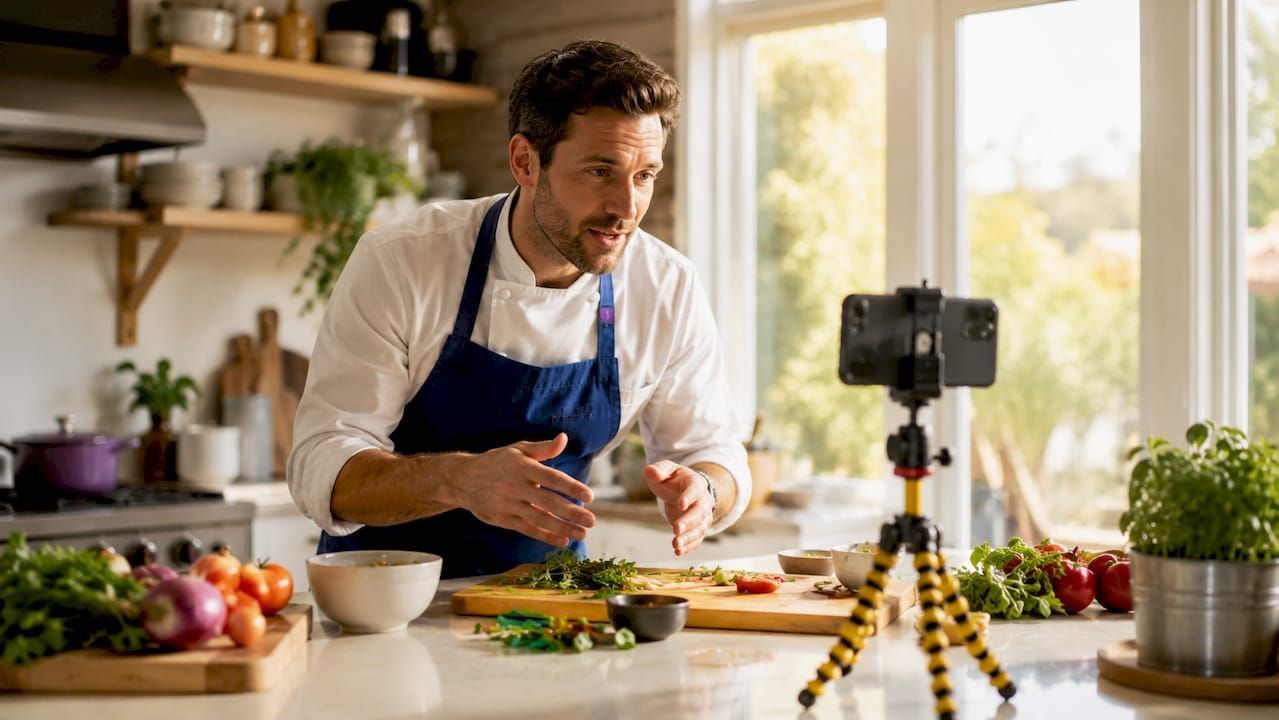
Video is the highest-performing content format for restaurants, and the numbers prove it. Chef POV Reels get 4.2 times higher engagement than static photos. That gap means a 30-second clip of your chef plating a dish will outperform your best food photo almost every time.
The content types that consistently perform well include:
- Chef POV and sizzle reels. Show the cooking process from the chef's perspective. The sound of a sear, the pour of a sauce, the final garnish. These clips trigger appetite and curiosity simultaneously.
- Behind-the-scenes clips. A morning prep video, a market run, or a staff meal builds the human story behind your brand. Diners connect with people, not just plates.
- Ingredient origin stories. A 15-second clip showing where your produce comes from builds trust and differentiates you from chains.
- User-generated content (UGC) reposts. 88% of consumers trust peer reviews as much as personal recommendations. Reposting a guest's photo with your commentary costs nothing and builds credibility fast.
- Day-in-the-life content. Follow a team member through their shift. This format humanizes your restaurant and performs well on both Instagram and TikTok.
The 80/20 content rule governs what high-performing restaurant accounts post: 80% value-driven content (recipes, stories, behind-the-scenes) and 20% promotional (specials, events, limited offers). Algorithms reward accounts that entertain and inform. They penalize accounts that only sell.
Pro Tip: Film five to seven short clips in one kitchen session. You get a full week of content without disrupting daily operations.
2. How often and when should restaurants post?
Posting frequency directly affects how often your content appears in feeds and local search results. The optimal range is 4–6 times per week. That cadence keeps your account active in the algorithm without burning out your team.
Timing matters as much as frequency. Here is when to post for maximum impact:
- Lunch content by 10:30 AM. Diners decide where to eat lunch between 11:00 AM and noon. A post that lands before that window catches them mid-decision.
- Dinner content between 4:00 PM and 5:00 PM. The dinner decision window opens in the late afternoon. A well-timed Reel of your signature dish at 4:30 PM puts you in front of hungry scrollers at exactly the right moment.
- Weekend brunch posts on Friday evening. Brunch plans form Thursday night through Saturday morning. A Friday evening post of your eggs Benedict or avocado toast seeds the idea before the weekend.
- Event announcements 5–7 days in advance. Give followers enough lead time to plan. Repost the announcement two days before the event to catch late deciders.
Batching content creation is the most practical solution for understaffed kitchens. Dedicate one hour per week to filming and scheduling. You maintain a consistent presence without adding daily tasks to an already full operation.
Pro Tip: Use a free scheduling tool to queue posts in advance. Set your lunch and dinner posts to publish automatically so you never miss a decision window.
3. What platform-specific strategies work best in 2026?
Each platform serves a different role in your restaurant's digital presence. Treating them all the same wastes effort.
- Instagram. Instagram Reels average 2.2% engagement for food content. Reels, Stories, and carousels each serve a purpose. Reels drive discovery. Stories maintain daily connection with existing followers. Carousels work well for menus, seasonal specials, and "meet the team" posts. Connect your Instagram profile to your reservation system so followers can book directly from your bio link.
- TikTok. TikTok food content engagement ranges from 3.7% to 6.2%, leading all major platforms in reach and discovery. Raw, authentic clips outperform polished studio content here. A shaky handheld video of a pizza coming out of a wood-fired oven will outperform a produced commercial. Personality drives performance on TikTok. Let your chef or a front-of-house team member become the face of the account.
- Google Business Profile. 57% of diners start their restaurant search on Google. Your Google Business Profile functions like a social feed. Post weekly updates, photos, and offers directly to it. Diners searching "best tacos near me" will see your posts before they ever reach your website.
- Facebook. Facebook serves an older demographic and works well for event promotion, community groups, and paid local advertising. It is not the discovery engine it once was, but it remains relevant for reaching guests aged 35 and older.
- Pinterest. Pinterest drives long-term traffic for recipe content and seasonal menus. A well-optimized pin can generate clicks for months after posting.
| Platform | Best content type | Primary benefit |
|---|---|---|
| Reels, Stories, carousels | Discovery and daily engagement | |
| TikTok | Authentic short video | Reach and new audience growth |
| Google Business Profile | Photos, posts, offers | Local search and direct bookings |
| Events, community posts | Older demographic and paid reach | |
| Recipe pins, seasonal menus | Long-term evergreen traffic |
4. How to build community and encourage user-generated content
User-generated content is the most cost-effective marketing a restaurant can produce. When a guest posts a photo of your food and tags you, their followers see an authentic recommendation. That reach costs you nothing.
Building a steady flow of UGC requires deliberate design, not luck. Here is how to make it happen:
- Create Instagrammable moments. Design one element of your space or plating specifically for photos. A neon sign, a dramatic tableside presentation, or a visually striking dessert gives guests a reason to reach for their phone.
- Print your branded hashtag on menus and table cards. A hashtag like #YourRestaurantName or #EatAt[YourCity] gives guests a clear call to action. It also aggregates content you can find and repost.
- Add commentary when you repost guest content. A simple "We love seeing this" or a note about the dish in the caption adds authenticity. It shows the guest you noticed, and it shows your audience that real people love your food.
- Respond to every tag and mention. Fast social media response boosts the likelihood of a recommendation by 71%. A quick "Thank you, see you next week!" turns a one-time visitor into a repeat guest.
- Run a monthly photo contest. Ask followers to post their best photo using your hashtag for a chance to win a free meal. The prize is small. The content volume and reach are significant.
Strong social proof strategies like these compound over time. Each repost, each tagged photo, and each positive review adds to a body of evidence that your restaurant is worth visiting.
5. Practical tips and common pitfalls to avoid
Consistency separates restaurants that grow on social media from those that stall. A profile that posts daily for two weeks and then goes quiet signals to both the algorithm and potential guests that the business is unreliable.
The most common mistakes restaurant owners make on social media:
- Over-promoting. If every post is a special offer or a "come in today" call to action, followers tune out. The 80/20 rule exists for a reason. Sell less, share more.
- Ignoring local search optimization. Consistent social media data across platforms supports AI-driven local discovery. If your hours, address, or phone number differ between Instagram, Google, and Facebook, AI systems deprioritize your listing. Audit your profiles quarterly.
- Skipping the booking integration. Social media that does not connect to a reservation or ordering system is a missed conversion. Every platform should have a clear path from post to booking.
- Posting without a plan. Random posting produces random results. A simple monthly content calendar with themes (Monday behind-the-scenes, Wednesday specials, Friday UGC repost) removes the daily guesswork.
- Neglecting restaurant digital marketing fundamentals. Social media works best when it connects to a well-designed website, consistent branding, and local SEO. Without that foundation, even great content underperforms.
Pro Tip: Batch your content every Sunday evening. Film three to four short clips, write your captions, and schedule the week. You will post more consistently and stress less during service.
Keeping your social data accurate also protects your foot traffic. AI-driven local discovery prioritizes restaurants with fresh, accurate, and consistent information across all platforms. Treat your profiles like a living menu: update them whenever anything changes.
Key takeaways
The most effective restaurant social media strategy combines authentic video content, consistent posting at decision-window times, and direct integration with booking systems to convert followers into paying guests.
| Point | Details |
|---|---|
| Video outperforms photos | Chef POV Reels generate 4.2x more engagement than static images. |
| Post 4–6 times per week | Consistent frequency keeps your account favored by algorithms and visible to diners. |
| Time posts to decision windows | Lunch content by 10:30 AM and dinner content at 4–5 PM reaches diners when they are choosing. |
| Follow the 80/20 rule | Post 80% value-driven content and 20% promotional to avoid algorithmic penalties. |
| Keep profiles accurate | Consistent data across platforms supports AI-driven local discovery and protects foot traffic. |
Social media is a front door, not a billboard
Here is what I have seen working with restaurant clients over the years. The ones who treat social media as a broadcast channel, posting specials and hours like a flyer on a telephone pole, get the least return. The ones who treat it as a conversation, showing the kitchen, the team, the sourcing, the craft, fill tables consistently.
The viral moment is a lottery ticket. The system is a salary. I have watched a small taqueria with 800 followers outperform a downtown restaurant with 12,000 because the taqueria posted three times a week, responded to every comment, and linked every post to an online order button. That is the model worth copying.
The other thing most guides skip: your social presence needs to connect to your restaurant's website design and local SEO. A great Instagram account that sends traffic to a slow, outdated website loses the conversion at the last step. The path from scroll to seat has to be frictionless. Social media starts the relationship. Your website and booking system close it.
Build the system. Post consistently. Respond to your guests. The tables will follow.
— Cesar
How Mycalidesigns helps restaurants grow their brand online
Your food deserves a brand that matches its quality. Mycalidesigns works with restaurant owners and marketers to build the visual identity and digital presence that make social media actually work.
From custom logo design and brand identity to website builds and social media marketing services, Mycalidesigns gives your restaurant a cohesive look that stands out in a crowded feed. A strong brand makes every post more recognizable and every customer interaction more memorable. When your visual identity is consistent across Instagram, TikTok, Google, and your website, trust builds faster and bookings follow. If you are ready to build a brand that works as hard as your kitchen does, Mycalidesigns is the team to call.
FAQ
How often should a restaurant post on social media?
Restaurants should post 4–6 times per week. That frequency maintains algorithmic favor and keeps your brand visible during diners' decision-making windows.
What type of content works best for restaurant social media?
Video content performs best. Chef POV Reels generate 4.2 times more engagement than photos, and authentic behind-the-scenes clips build the trust that drives first visits.
Why does social media matter for restaurants?
74% of diners use social media to choose where to eat. A consistent, engaging presence directly influences whether a potential guest picks your restaurant or a competitor's.
What is the 80/20 rule for restaurant social media?
The 80/20 rule means 80% of your posts should entertain, inform, or tell a story, while only 20% should promote offers or specials. This ratio keeps followers engaged and avoids algorithmic penalties.
How can restaurants get more user-generated content?
Print your branded hashtag on menus and table cards, design one photogenic element in your space, and respond to every tag. Local restaurant SEO combined with active UGC collection builds both online visibility and in-person credibility.
Recommended
Recent Posts